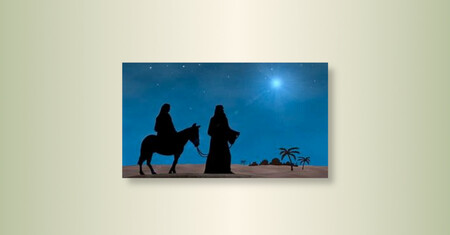
Join us for the last service of the year, celebrating the birth of Christ!
Introduction: The Path of Pain and Promise
In this Protestant sermon titled "She Who is in Labor," the speaker explores the profound spiritual significance of childbirth as a lens through which to understand God’s redemptive plan. The message begins by grounding our current human struggle in Genesis 3, noting that the pain of labor and the toil of the earth are direct results of the Fall and our broken relationship with God [09:15]. However, the preacher emphasizes that God does not leave us in this "predicament." Instead, He uses the very pathway of pain—childbirth—to bring about the world's rescue. Through the prophetic words of Micah and the humble obedience of Mary, we see that God’s increments of revelation lead us to the "second birth" found only in Christ [13:19].
Summary by Parts
Part 1: The Curse and the Cry of Creation The sermon opens by connecting the physical pain of childbirth to the spiritual state of humanity. Referencing Genesis, the speaker explains that labor pains and the "sweat of the brow" are reminders of our disobedience [10:03]. This groaning is echoed in Romans, showing that all creation suffers under the weight of sin, a brokenness we cannot fix on our own [10:42].
Part 2: The Prophetic Shift and Mary’s "Yes" The narrative shifts toward hope through Micah 5, which promised that Israel would be abandoned only until "she who is in labor bears a son" [11:05]. The speaker highlights Mary’s remarkable peace amidst potential inner chaos. Rather than being ruled by fear, Mary’s response—"I am the Lord’s servant"—demonstrates a heart focused on God’s glory rather than personal comfort [14:08].
Part 3: The Perfect Sacrifice and Second Birth The preacher explains that Jesus, the "Spotless Lamb," was born specifically to die [23:18]. Unlike the old covenant’s repeated sacrifices, Jesus offered a "once-for-all" sacrifice that satisfies God's justice and offers us a "second birth" [23:53]. This new beginning is not a physical process but a spiritual renewal by the Holy Spirit that continues until we see Him face to face [25:28].
Part 4: The Culmination of All Things Finally, the sermon points to Revelation 21, where the curse of Genesis is finally reversed. The speaker envisions a future where there is no more death, mourning, or pain [27:50]. In the "meantime," believers are called to "active waiting"—washing our robes and staying close to Jesus as we anticipate His return [29:11].
Key Takeaways
-
Joy Over Circumstances: Joy is defined not as the absence of suffering, but as the presence of Christ [15:04]. Whether in doubt or chaos, keeping our eyes on Jesus brings a peace that the world cannot provide.
-
The Power of Humility: God prefers to use the "hungry" and "humble" like Mary rather than the proud or powerful [19:32]. Humility is the posture that allows God to fulfill His purposes through us.
-
The Once-for-All Gift: Salvation is a finished work. Because Jesus was the perfect substitute, His death provides a single, far-reaching act of love that changes eternity for everyone who accepts it [24:12].
-
Active Preparation: We are invited to a "bridal banquet" with Christ. This requires us to accept the "free gift of the water of life" today and live in a state of constant renewal and expectation [29:59].
Chinese Translation
序言:苦难与应许之路
在这篇名为《临产的妇人》(She Who is in Labor)的基督教讲章中,讲者通过分娩这一深远的属灵视角,探讨了上帝的救赎计划。信息伊始,讲者将人类当前的挣扎追溯至《创世记》第 3 章,指出生产的痛苦和土地的劳苦是人类堕落及与神关系破裂的直接后果。然而,牧者强调,上帝并未将我们遗弃在这种“困境”中。相反,祂利用了痛苦的必经之路——分娩——来成就世界的拯救。通过先知弥迦的预言和马利亚谦卑的顺服,我们看到上帝循序渐进的启示正引导我们走向唯有在基督里才能获得的“重生”。
内容摘要
第一部分:诅咒与受造之物的叹息 讲章开篇将分娩的肉体痛苦与人类的属灵状态联系起来。引用《创世记》,讲者解释说劳苦的愁烦和“汗流满面”是对我们悖逆的提醒。这种叹息在《罗马书》中得到了回应,表明整个受造界都在罪的重压下受苦,这是一种我们无法靠自己修复的破碎。
第二部分:先知的转折与马利亚的“情愿” 叙事通过**《弥迦书》第 5 章**转向希望,该书预言以色列被丢弃,直到“那临产的妇人生下儿子”。讲者强调了马利亚在潜在的内心混乱中展现出的非凡平安。马利亚没有被恐惧所主宰,她的回应——“我是主的使女”——展现了一颗专注于上帝荣耀而非个人安逸的心。
第三部分:完美的祭物与重生 讲者解释说,耶稣这位“无暇的羔羊”降生正是为了受死。与旧约反复的祭祀不同,耶稣提供了“一次成全”的赎罪祭,满足了上帝的公义,并赋予我们“重生”的机会。这种新生命的开始不是肉体过程,而是通过圣灵进行的属灵更新,这种更新将持续到我们与祂面对面的那一天。
第四部分:万物的终局 最后,讲章指向《启示录》第 21 章,在那里《创世记》中的诅咒最终被扭转。讲者展望了一个不再有死亡、哀恸或痛苦的未来。在“过渡期”中,信徒被召唤进行“积极的等候”——洗净内心的衣袍,在期待基督再临的过程中时刻亲近祂。
核心要点
-
胜过环境的喜乐: 喜乐的定义不是痛苦的缺席,而是基督的同在。无论是在怀疑还是混乱中,仰望耶稣都能带来世人无法给予的平安。
-
谦卑的力量: 上帝更愿意使用像马利亚这样“饥渴”和“谦卑”的人,而非骄傲或有权势的人。谦卑是让上帝通过我们成就祂旨意的姿态。
-
一次成全的恩典: 救恩是一项已完成的工作。因为耶稣是完美的替代者,祂的死提供了一次性且深远的爱之行动,改变了所有接受祂的人的永恒。
-
积极的预备: 我们受邀参加与基督的“羔羊婚宴”。这要求我们今天就接受“生命水的白白恩赐”,并生活在不断的更新与期待之中。
Spanish Translation
Introducción: El camino del dolor y la promesa
En este sermón protestante titulado "Ella que está de parto" (She Who is in Labor), el predicador explora el profundo significado espiritual del nacimiento como un lente para comprender el plan redentor de Dios. El mensaje comienza situando nuestra lucha humana actual en Génesis 3, señalando que el dolor del parto y la fatiga de la tierra son resultados directos de la Caída y de nuestra relación rota con Dios. Sin embargo, se enfatiza que Dios no nos deja en este "predicamento". Por el contrario, utiliza el mismo camino del dolor —el parto— para traer el rescate al mundo. A través de las palabras proféticas de Miqueas y la humilde obediencia de María, vemos que la revelación progresiva de Dios nos guía hacia el "segundo nacimiento" que se encuentra solo en Cristo.
Resumen por partes
Parte 1: La maldición y el clamor de la creación El sermón conecta el dolor físico del parto con el estado espiritual de la humanidad. Citando el Génesis, el orador explica que los dolores de parto y el "sudor de la frente" son recordatorios de nuestra desobediencia. Este gemido tiene eco en Romanos, mostrando que toda la creación sufre bajo el peso del pecado, una ruptura que no podemos reparar por nosotros mismos.
Parte 2: El giro profético y el "sí" de María La narrativa cambia hacia la esperanza a través de Miqueas 5, que prometía que Israel sería abandonado solo hasta que "la que está de parto dé a luz un hijo". El orador destaca la paz notable de María en medio del caos interno. En lugar de dejarse gobernar por el miedo, su respuesta —"Soy la sierva del Señor"— demuestra un corazón enfocado en la gloria de Dios antes que en la comodidad personal.
Parte 3: El sacrificio perfecto y el segundo nacimiento Se explica que Jesús, el "Cordero sin mancha", nació específicamente para morir. A diferencia de los sacrificios repetidos del antiguo pacto, Jesús ofreció un sacrificio "una vez y para siempre" que satisface la justicia de Dios y nos ofrece un "segundo nacimiento". Este nuevo comienzo es una renovación espiritual por el Espíritu Santo que continúa hasta que le veamos cara a cara.
Parte 4: La culminación de todas las cosas Finalmente, el sermón apunta a Apocalipsis 21, donde la maldición del Génesis es revertida. El orador visualiza un futuro donde no habrá más muerte, llanto ni dolor. Mientras tanto, los creyentes son llamados a una "espera activa", lavando sus ropas y permaneciendo cerca de Jesús mientras anticipan su regreso.
Puntos clave para recordar
-
Gozo sobre las circunstancias: El gozo se define no como la ausencia de sufrimiento, sino como la presencia de Cristo. Ya sea en la duda o en el caos, mantener los ojos en Jesús trae una paz que el mundo no puede dar.
-
El poder de la humildad: Dios prefiere usar a los "hambrientos" y "humildes" como María, en lugar de a los orgullosos o poderosos. La humildad es la postura que permite a Dios cumplir sus propósitos a través de nosotros.
-
Un regalo único y definitivo: La salvación es una obra terminada. Debido a que Jesús fue el sustituto perfecto, su muerte provee un acto de amor único y trascendental que cambia la eternidad para todo aquel que lo acepta.
-
Preparación activa: Estamos invitados a un "banquete de bodas" con Cristo. Esto requiere que aceptemos hoy el "regalo gratuito del agua de la vida" y vivamos en un estado de constante renovación y expectativa.
Japanese Translation
序論:苦しみと約束の道
12月21日にイーデン教会(Eden Church)で行われた「産みの苦しみをする女(She Who is in Labor)」と題されたプロテスタントの説教において、説教者は「出産」という深い霊的な視点を通して、神の救済計画を紐解いています。メッセージはまず、人類が直面している現在の苦しみを創世記3章に結びつけ、出産の痛みや土地を耕す苦労は、堕落と神との関係断絶の直接的な結果であると指摘します。しかし、神はこの「窮状」の中に私たちを放置されることはありません。むしろ、神は苦しみの道である「出産」そのものを用いて、世界の救出を成し遂げられたのです。預言者ミカの言葉とマリヤの謙虚な従順を通して、神の啓示が段階的に、キリストの中にのみ見出される「第二の誕生(新生)」へと私たちを導いていることが示されます。
各部の要約
第1部:呪いと被造物の叫び 説教は、出産の肉体的な痛みと人類の霊的な状態を関連づけることから始まります。創世記を引用し、産みの苦しみや「額に汗して」働くことは、私たちの不従順を思い出させるものであると説明します。このうめきはローマ人への手紙にも共鳴しており、全被造物が罪の重荷の下で苦しんでいること、そしてそれは私たち自身の力では修復不可能な断絶であることを示しています。
第2部:預言的な転換とマリヤの「はい」 物語はミカ書5章を通して希望へと移ります。そこでは、イスラエルが「産みの苦しみをする女が出産するまで」は見捨てられるが、その後に救いが来ることが約束されています。説教者は、内なる混乱の中にあったはずのマリヤが示した驚くべき平安に焦点を当てます。恐怖に支配されるのではなく、「私は主のはしためです」という彼女の応答は、個人の安楽よりも神の栄光に目を留める心を表しています。
第3部:完全な犠牲と第二の誕生 「汚れのない小羊」であるイエスは、死ぬために生まれてこられたことが説明されます。旧約聖書の繰り返される犠牲とは異なり、イエスは神の正義を満たし、私たちに「第二の誕生」をもたらす「ただ一度限りの」犠牲を捧げられました。この新しい始まりは肉体的なプロセスではなく、聖霊による霊的な刷新であり、私たちが主と顔と顔を合わせて会う日まで続くものです。
第4部:万物の完結 最後に、説教はヨハネの黙示録21章へと向かいます。そこでは、創世記の呪いがついに逆転されます。もはや死も、悲しみも、叫びも、苦しみもない未来が描かれます。その時を待つ間、信徒は「積極的な待機」へと召されています。自らの衣を洗い、主の再臨を待ち望みながらイエスの近くに留まり続けるのです。
重要な教え
-
状況を超えた喜び: 喜びとは苦しみの欠如ではなく、キリストの臨在であると定義されます。疑いや混乱の中にいても、イエスに目を留め続けることで、世が与えることのできない平安を得ることができます。
-
謙遜の力: 神は、誇り高き者や権力者よりも、マリヤのように「飢え渇き」「謙遜な」者を用いることを好まれます。謙遜こそが、神が私たちを通してその目的を果たすことを可能にする姿勢です。
-
一度限りの贈り物: 救いはすでに完了した業です。イエスが完全な身代わりとなられたため、その死は一度限りの、そして永遠に及ぶ愛の行為として、それを受け入れるすべての人の永遠を変えるものとなりました。
-
積極的な備え: 私たちはキリストとの「婚宴」に招待されています。そのためには、今日「命の水の無料の贈り物」を受け入れ、絶え間ない刷新と期待の中で生きることが求められます。